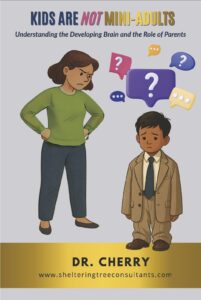

How Caribbean Parenting Shapes Adult Behavior

Many Caribbean parents raised their children using the methods they were taught. Discipline was often strict. Emotional expression was limited. Obedience was valued more than understanding. Silence was sometimes safer than speaking.
These patterns did not develop by accident. They were shaped by history, survival, financial pressure, and generational stress.
Children growing up in these environments learned clear lessons about how to behave.
Do not talk back.
Do not show too much emotion.
Do not question authority.
Do not ask for too much.
These lessons were meant to protect.
Over time, they became internal rules.
In adulthood, these rules can show up as difficulty trusting others, fear of making mistakes, discomfort with closeness, or feeling unsafe expressing needs. Some people become overly independent. Others struggle to set boundaries or speak honestly.
These behaviors are not random. They were learned.
When a child learns that love depends on performance, they grow into an adult who overworks. When a child learns that emotions are dangerous, they grow into an adult who hides them. When a child learns that silence prevents conflict, they grow into an adult who avoids speaking up.
These patterns once helped.
They may no longer be needed.
Change begins with understanding.
When early lessons are identified, they become easier to challenge. When behavior is understood, it becomes easier to update. Awareness creates options. Stability supports change.
This is your weekly perspective from Dr. Cherry, Sheltering Tree Consultants
Written by Dr. Cherry
Developmental Psychologist | Trauma Specialist