
Suicide

This NIMH resource explains how to recognize possible suicide risk, respond to someone in distress, ask directly about suicide, and help connect a person with appropriate support.
Practical education on emotional distress, crisis recognition, suicide prevention, help-seeking and early intervention.
This NIMH resource explains how to recognize possible suicide risk, respond to someone in distress, ask directly about suicide, and help connect a person with appropriate support.
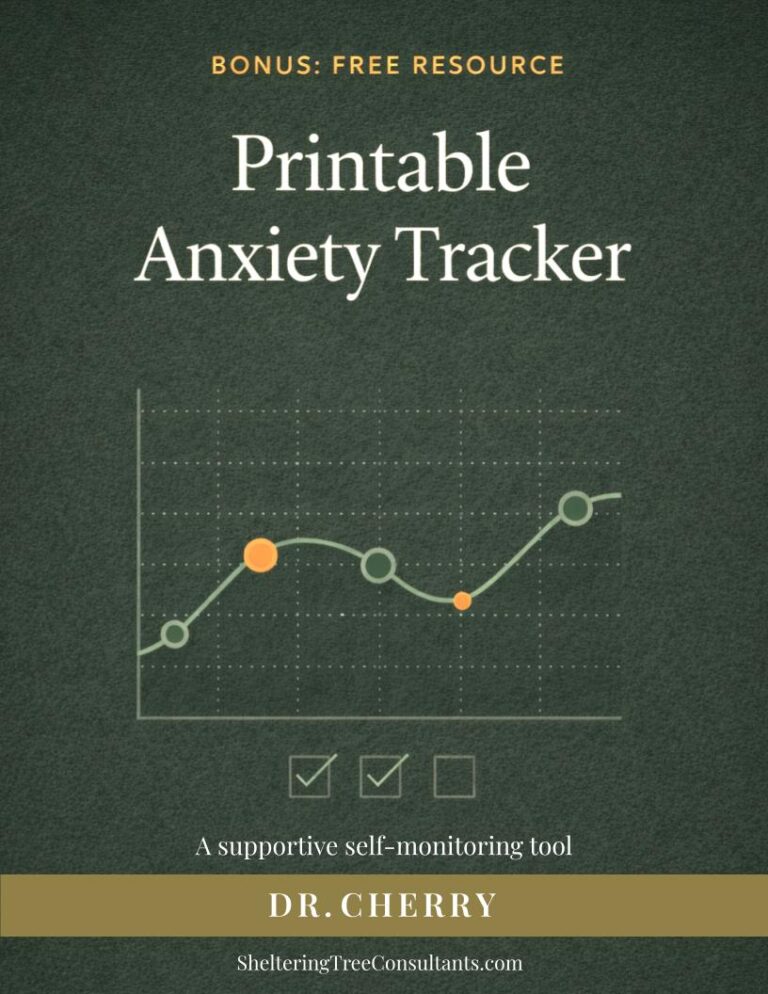
A printable anxiety tracker designed to help individuals notice patterns in stress, emotional responses, and daily regulation. This tool supports awareness by creating space to observe what increases anxiety, what helps reduce it, and how the body responds over time.…
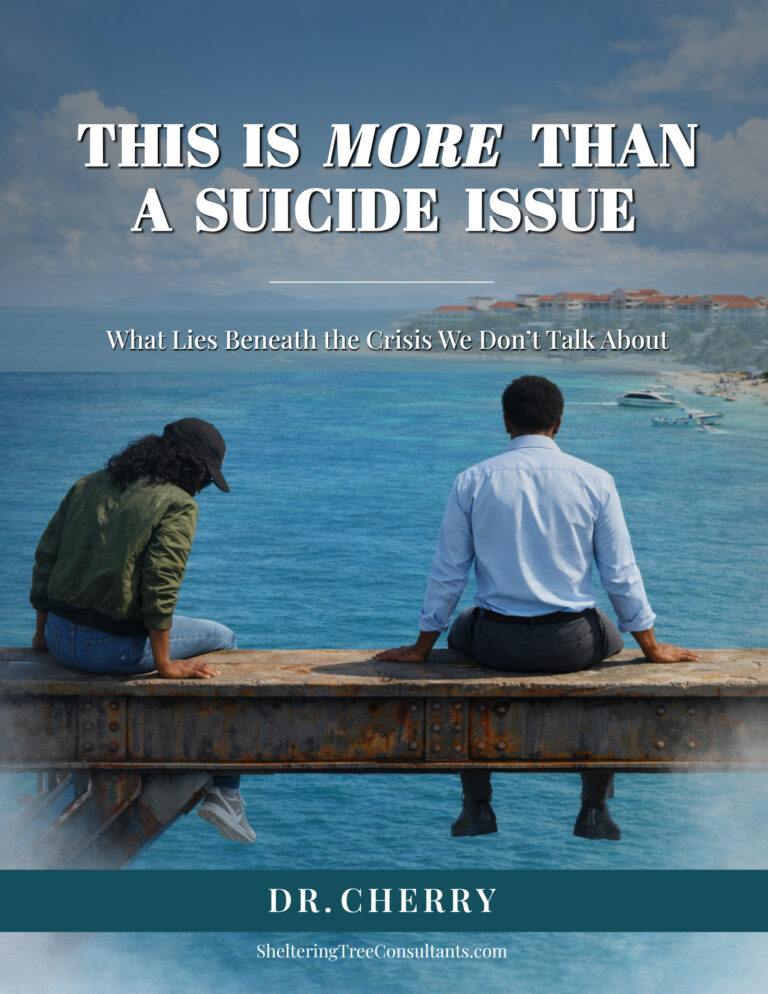
This is a free downloadable guide that reframes suicidal crisis as nervous system overload rather than weakness. This resource offers clarity around how prolonged stress, loss, and instability can overwhelm the body and mind, often leading individuals to feel trapped,…

Suicide rarely begins with a single moment. More often, it develops gradually through layers of distress that remain unseen or misunderstood. Many individuals experiencing suicidal thoughts are not seeking attention or dramatizing their pain. They are attempting to cope with…

Many people imagine that recovery from suicidal thoughts requires dramatic change. In reality, progress often begins with something much smaller. It may begin with one conversation where someone feels heard without judgment. It may begin with a moment of relief…

One of the most difficult aspects of suicide prevention is that emotional pain does not always look dramatic or obvious. A person may continue working, attending school, caring for family members, and fulfilling responsibilities while quietly carrying deep internal distress.…
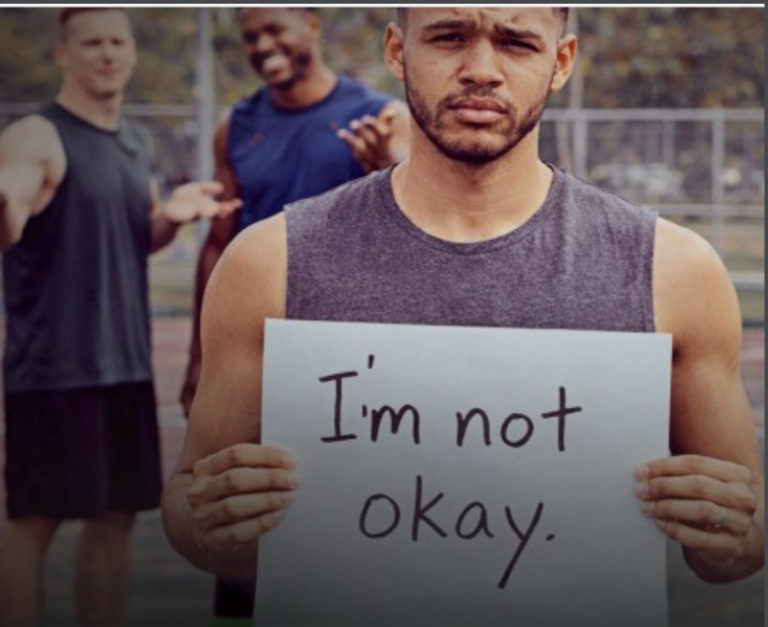
Suicide prevention is often discussed in terms of crisis response. While intervention is important, prevention also requires deeper understanding of the experiences that lead people to feel trapped or overwhelmed. Individuals who experience suicidal thoughts frequently describe feeling isolated, exhausted,…