Practical guidance on workforce functioning, leadership, human development, grief, trauma, overload, parenting, mental health and the changing world of work.
Explore by Topic
Choose the area most relevant to you. Explore research, practical guidance and STC insights by topic.
Workforce stress does not stay inside the workplace. Learn how burnout, conflict, low morale and leadership strain can affect customer and public service.
Five Signs You Are Carrying Childhood Trauma Into Adulthood
Childhood trauma does not disappear when you become an adult. It continues to influence how your nervous system responds to stress, relationships, and responsibility.
Young people use it to complete schoolwork, answer questions, generate ideas, and solve everyday problems. Increasingly, however, some children and adolescents are also turning to AI for something much more personal.
This free guide explains how prolonged stress, grief, and emotional overload can contribute to suicidal crises. Written by Dr. Cherry, a developmental psychologist, it offers practical stabilization tools, reduces stigma, and helps individuals, families, and communities respond with greater understanding and compassion.
Understanding What is Really Happening To Our Children
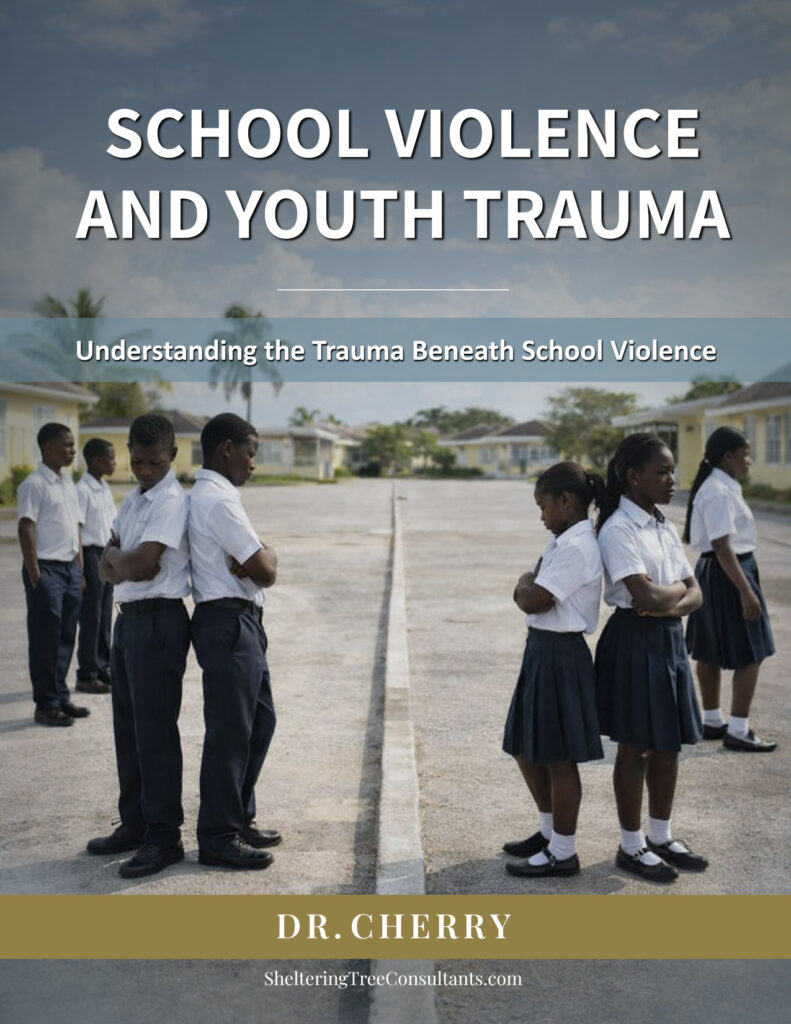
This free downloadable guide explores how trauma, emotional distress, and adverse experiences can contribute to school violence. It helps parents, educators, and communities recognize warning signs, understand the needs behind challenging behaviors, and respond with practical, trauma-informed strategies that promote safety, prevention, and student well-being.
This free downloadable guide explains how prolonged stress, grief, and instability can contribute to suicidal crises. Written by Dr. Cherry, a developmental psychologist, it offers practical stabilization tools to help individuals, families, and communities recognize emotional overload, reduce stigma, and respond with understanding and compassion.
Work is increasingly spilling into early mornings, evenings and weekends. Microsoft examines how constant communication, interruptions and rising demands are creating an “infinite workday” and why organizations may need to redesign how work gets done.
How Can Leaders Improve Employee Engagement and Company Culture?
Managers have an outsized influence on how employees experience work. Gallup looks at what leaders can do to strengthen engagement, culture and the conditions employees need to function well.
This article offers an important reminder for parents navigating the pressures of the present moment. Rather than reacting to short-term challenges, it invites families to consider formation, faith, and development across time.
Talk, Trust, and Trade-Offs: How and Why Teens Use AI Companions
AI is becoming part of young people’s social and emotional lives, not just their schoolwork. This research explores why teens use AI companions, what they share with them and what parents and educators should understand about the risks and appeal.
Clear, practical guidance on recognizing possible warning signs of suicide, starting a conversation and helping someone connect with appropriate support. It also addresses the common misconception that asking about suicide puts the idea into someone’s mind.
Grief can affect emotions, thinking, relationships, sleep and everyday functioning. This resource explains the varied ways people experience loss and outlines sources of support that can help people adjust over time. SAMHSA